AI-optimized compact fission for data center baseload
Applied Atomics designs modular fission plants sized for direct campus connection, targeting 4 to 12 MW of carbon-free baseload power per unit without grid dependency.
The power infrastructure the AI era needs does not exist yet
Data centers running GPU clusters at capacity need firm, dispatchable power around the clock. Renewables are intermittent. Grid interconnection queues stretch years. The solution is generation co-located with the load.
Three engineering principles, one power solution
Compact fission designed around the operational reality of data center infrastructure, not adapted from utility-scale thinking.
Each unit designed for a 3 to 5 acre siting footprint. Multiple units stack to match campus load growth. No massive exclusion zones, no utility-scale land requirements.
Our control layer reads your data center load curve in real time and adjusts reactor output accordingly. The plant follows your workload, not a fixed generation schedule.
Plant-to-switchgear integration eliminates transmission line losses and grid price exposure. Your power generation and your compute load share a campus, not a multi-hundred-mile transmission path.
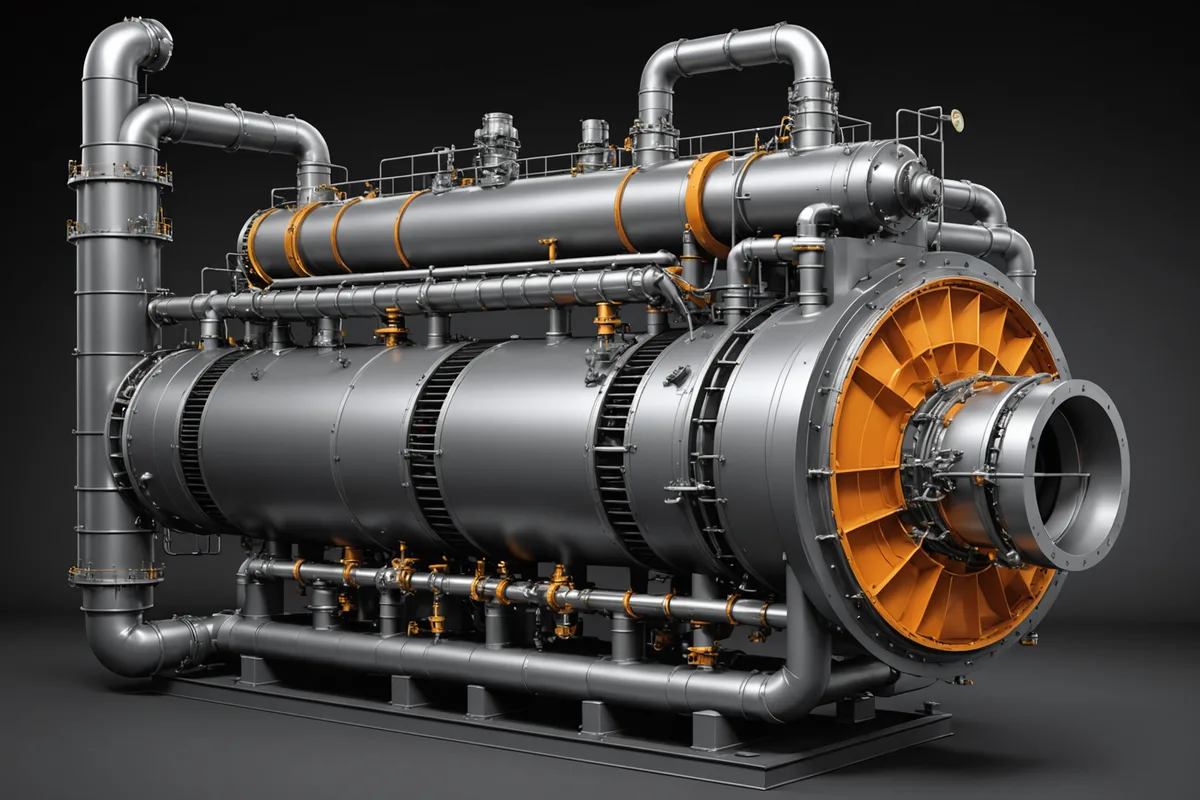
Built for two buyer categories
We focus on buyers with specific power quality requirements that the grid cannot reliably provide.
GPU compute at scale demands 24/7 firm power
AI training and inference clusters cannot tolerate intermittency. A large-scale GPU deployment at full utilization needs baseload power as reliable as the compute fabric itself. Our direct-connection units are designed specifically for hyperscale and wholesale colocation developers planning new campus capacity who cannot wait years for grid interconnection.
Grid independence for energy-intensive manufacturing
Energy-intensive industrial facilities face the same grid constraints as data centers: long interconnection wait times, transmission congestion pricing, and reliability requirements that renewable-only portfolios cannot guarantee. Our compact units provide a path to on-site generation that does not depend on weather or commodity market prices for consistent output.
Four things we do that others don't
AI dispatch, not manual control
Standard nuclear operates at constant output because varying a reactor manually is slow and imprecise. Our AI control layer enables the plant to follow a dynamic load curve, matching output to your actual demand hour by hour without operator intervention.
Modular siting at data center scale
We designed the physical plant for the land footprint that data center campus developers actually work with. Not a gigawatt plant requiring its own transmission infrastructure, but a compact unit that fits within the same acreage conversation as a large cooling system.
Direct connection economics
When the generator is on campus, you eliminate transmission losses, eliminate grid interconnection costs, and eliminate the commodity price exposure that makes long-run power cost projections unreliable. We price as a long-term power purchase agreement, not a utility bill.
Nuclear engineers who understand DC loads
The Applied Atomics team came to this problem from both directions: nuclear systems design and the operational power requirements of large-scale compute infrastructure. We are not nuclear engineers who added a data center slide to a slide deck. The design started from the load, not the reactor.
What infrastructure buyers are telling us
From our early design partner engagement program with data center and industrial power buyers.
The interconnection queue problem is real and it is getting worse. We have three campus expansion projects where the power timeline is the constraint, not the construction timeline. A co-located generation option that doesn't depend on the queue is genuinely valuable if the technology delivers.
Director of Site Infrastructure, hyperscale colocation developer. From our early design partner engagement program.
We looked at large-scale solar plus storage for our new manufacturing facility. The capacity factor numbers don't work for our load profile. If compact fission can actually hit the dispatch response specs they're targeting, the economics compare favorably to a gas turbine on a 20-year horizon.
VP of Engineering, regional wholesale power buyer. From preliminary technical discussions with our team.
Power your campus without the grid
We are in preliminary discussions with data center developers and industrial power buyers planning new capacity. If the interconnection queue is your constraint, reach out.
Start a Conversation